Painting Contractors Orlando FL

October 2025

Spring Home Maintenance: Exterior Painting Checklist for Orlando

Spring Home Maintenance: Exterior Painting Checklist for Orlando (2026 Edition)

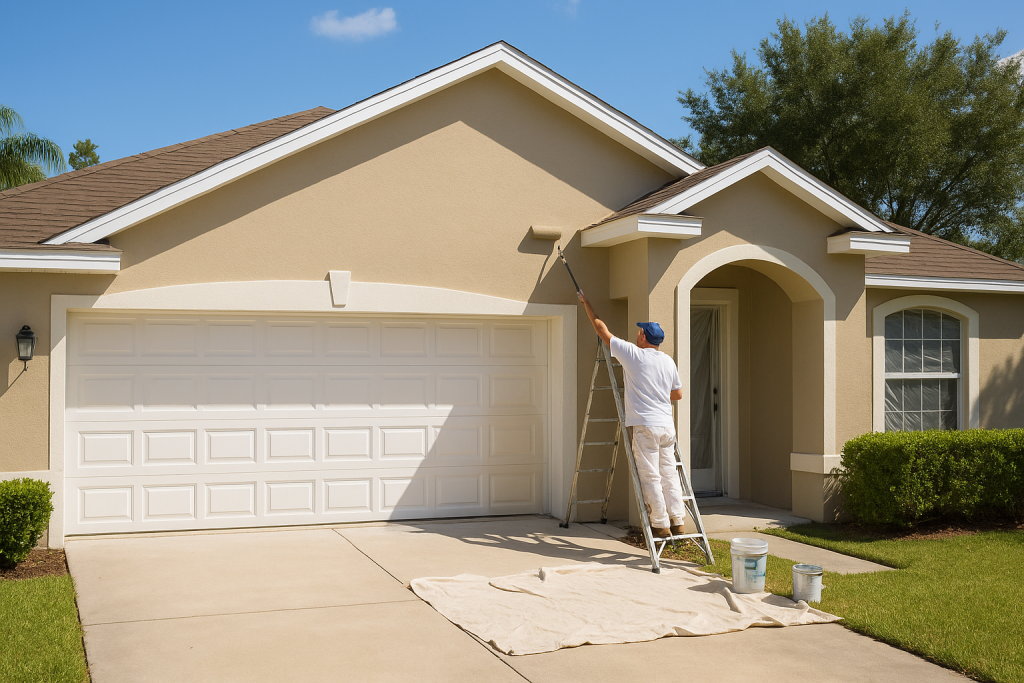
Spring Is Orlando’s Best Season to Refresh Your Home As winter fades and the Florida sun brightens, spring becomes the perfect time to give your home’s exterior a little TLC. In Orlando, where humidity and sunlight take a toll year-round, spring maintenance helps prevent costly damage and keeps your home looking pristine. One of the smartest upgrades you can make this season?A fresh coat of paint. Spring offers ideal weather for painting — moderate temperatures, low humidity, and fewer rain showers — making it the prime window to refresh your home’s curb appeal and protection before the intense summer heat sets in. This comprehensive spring painting checklist for Orlando homeowners covers everything from surface inspections to paint selection and contractor tips to ensure your home stays beautiful and weatherproof all year long. 1. Inspect Your Home’s Exterior Thoroughly Before painting or touching up, perform a full walk-around inspection of your home’s exterior. Orlando’s humid winters and occasional cold snaps can cause damage you might not notice right away. Check for: Peeling or blistering paint Cracks in stucco or siding Water stains or dark patches Mold or mildew growth (especially in shaded areas) Gaps around doors, windows, or trim Fading color or chalky residue Use a flashlight to inspect under eaves and behind shrubs — areas most prone to moisture retention.If you find any paint damage, it’s time to clean, repair, and prep before repainting. 2. Clean Off Winter Grime with Pressure Washing Even if your paint looks intact, your walls have likely collected months of: Pollen Dirt and dust Algae or mildew Road grime and air pollution A gentle pressure wash clears away contaminants that can prevent new paint from adhering properly. Professional Orlando painting companies often include this as part of their prep process. Pro Tip:Use a mild detergent or mildew remover, and let surfaces dry for 24–48 hours before painting. 3. Repair Cracks and Surface Damage Florida’s constant temperature swings and humidity can cause stucco and wood to expand and contract — leading to cracks and gaps. Repair Checklist: Stucco: Patch small cracks with elastomeric filler. Wood trim: Sand, prime, and fill with exterior-grade caulk. Siding: Replace warped or rotted boards before painting. Caulking: Check all joints, windows, and trim for dried or cracked caulk. If water can get in, it will — so seal everything thoroughly before the first coat of paint goes on. 4. Choose Paints Designed for Orlando’s Climate Orlando’s spring may be mild, but the paint still needs to withstand summer’s heat, humidity, and UV radiation. Choose high-performance coatings formulated for subtropical weather. Best Paint Features for Orlando Homes: 100% Acrylic Latex Paints: Excellent flexibility and UV resistance. Elastomeric Coatings: Ideal for stucco; expands and contracts with temperature changes. Mildew-Resistant Additives: Prevents mold growth in humid conditions. UV Protection Technology: Prevents fading and chalking. Top brands used by professional house painters in Orlando FL include: Sherwin-Williams SuperPaint® or Emerald® Benjamin Moore Aura® PPG Timeless® 5. Pick the Perfect Spring Color Palette Spring is the season of renewal — and your home’s colors can reflect that.In Orlando, light, reflective tones not only look clean and fresh but also help reduce heat absorption in the coming summer. Trending Spring 2025 Color Ideas: Soft White & Sand Beige: Classic and HOA-friendly. Pale Sage or Olive Green: Complements Florida landscaping. Coastal Blue or Aqua: Adds brightness and charm. Warm Gray or Cream: Timeless with excellent heat resistance. When choosing colors, also consider: HOA guidelines (if applicable) Roof and trim colors Amount of sun exposure per wall 6. Schedule Painting During the Optimal Weather Window In Orlando, March through May is ideal for painting: Daytime temperatures: 70–85°F Lower humidity levels Consistent dry weather Avoid painting right after a rainstorm or during weeks with high pollen counts, as moisture and debris can affect paint adhesion. Pro Tip:Start on the shady side of the house and move with the sun to prevent paint from drying too quickly. 7. Gather Tools and Supplies If you’re tackling a DIY project, organization is key.Use this checklist to prep your materials before starting. Spring Painting Toolkit: Pressure washer or garden sprayer Scrapers and sandpaper Exterior-grade caulk and filler Primer (bonding or stain-blocking) High-quality brushes and rollers Drop cloths and painter’s tape Weatherproof ladder However, for two-story homes or large projects, it’s safer and faster to hire licensed Orlando painters with professional equipment and insurance. 8. Prime Problem Areas Before Painting Florida humidity can make paint blister or bubble if applied to damp or unprimed surfaces.Before painting: Prime any bare wood or stucco patches. Use mildew-resistant primer in humid zones (near eaves, shaded walls, etc.). Let primer fully cure before applying topcoats. Skipping primer is one of the main reasons paint fails early — don’t cut corners here. 9. Apply Paint Properly for Maximum Durability For Professional Results: Always apply two coats of exterior paint. Use long, even strokes and back-roll for even coverage. Avoid painting in direct sunlight (causes quick drying and streaking). Maintain proper thickness — don’t overwork the brush. Allow at least 24 hours between coats for ideal adhesion, especially in Orlando’s humid spring air. 10. Protect Landscaping and Outdoor Features Before starting, shield your plants and outdoor structures from paint splatter: Use drop cloths or plastic sheeting. Trim back shrubs close to walls. Cover patio furniture, grills, and AC units. Proper prep keeps your landscape looking as clean as your new paint. 11. Post-Paint Cleanup and Inspection After the final coat dries, take time to inspect your work: Check for missed spots or streaks. Touch up any thin areas. Remove tape carefully to avoid peeling fresh paint. Clean brushes, dispose of paint properly, and store extra for future touch-ups. 12. Maintain Your Fresh Paint All Year Your spring paint job will look great all summer — and beyond — with simple care: Rinse walls gently once a year to remove dirt and mildew. Keep gutters and downspouts clear to prevent streaking. Touch up small chips immediately to avoid water intrusion. Inspect

Spring Home Maintenance: Exterior Painting Checklist for Orlando (2026 Edition) Read More »

Historic Home Painting Requirements in Orlando’s Downtown Districts

Historic Home Painting Requirements in Orlando’s Downtown Districts (2025 Guide)

Preserving Orlando’s Architectural Heritage Orlando’s historic neighborhoods — from Lake Eola Heights to Thornton Park — are filled with century-old bungalows, Colonial Revivals, and Mediterranean-style homes that give downtown its charm.But if you plan to repaint one, you can’t just pick up a brush and go. Homes within designated Orlando Historic Preservation Districts are subject to strict painting and maintenance guidelines designed to protect architectural integrity and community value. This guide explains everything Orlando homeowners need to know before painting a historic property — including permits, color restrictions, and approved materials — plus how professional painting companies in Orlando handle compliance the right way. 1. What Counts as a “Historic Home” in Orlando? A home is considered historic if it’s: Located within one of Orlando’s official Historic Preservation Districts, or Individually listed on the Orlando Local Register of Historic Places or the National Register of Historic Places. Orlando currently recognizes seven local historic districts, including: Lake Eola Heights Historic District Lake Cherokee Historic District Lake Copeland Historic District Colonialtown South Historic District Colonialtown North Historic District Lake Lawsona Historic District Lake Adair Historic District If your property lies within these boundaries, painting (even in the same color) may require city review or approval. 2. The Goal of Orlando’s Historic Paint Regulations The city’s goal isn’t to limit creativity — it’s to preserve architectural authenticity and neighborhood harmony. Orlando’s Historic Preservation Board ensures that repainting: Matches the home’s original architectural style Maintains historically appropriate color palettes Uses approved paint types and finishes that don’t damage historic materials Prevents inconsistent or disruptive color choices Following these rules helps keep property values high and protects the visual character of Orlando’s beloved neighborhoods. 3. Do You Need a Permit to Paint a Historic Home? Exterior Painting (Visible from Street) Yes — if your project changes colors or paint types, you’ll likely need Historic Preservation Office (HPO) review. Repainting Same Color If you’re repainting in the same approved color, no formal review is needed, but you may still need to notify the city. When a Certificate of Appropriateness (COA) Is Required Changing colors visible from a public street Stripping paint from previously painted surfaces Painting historically unpainted materials (e.g., brick, stone) Using unconventional or modern finishes Applications are handled by the City of Orlando’s Historic Preservation Board and typically reviewed within 10–14 business days. 4. How to Get Painting Approval in Orlando’s Historic Districts Follow these steps for a smooth process: Confirm your district: Check the City of Orlando Historic Preservation Map to verify your home’s designation. Submit a COA application: Include your address, proposed paint colors, brand, and finish. Provide color samples: Digital or physical samples must clearly show intended hues. Wait for approval: Minor changes are approved administratively; larger projects go before the Historic Preservation Board. Hire a licensed Orlando painting contractor familiar with historic standards to complete the work. 5. Approved Paint Types and Finishes Historic homes often use materials like wood siding, stucco, or brick that require breathable coatings.Using the wrong paint can trap moisture, causing deterioration. Recommended Paint Types: 100% Acrylic Latex Paint: Flexible, breathable, and UV resistant — ideal for wood and stucco. Limewash or Mineral Paints: Suitable for older masonry homes; maintains vapor permeability. Elastomeric Paints: Only for stucco if approved; must not obscure surface details. Oil-Based Primers: Still used for certain wood trims and sashes. Avoid: Vinyl coatings High-gloss synthetic finishes “Encapsulating” paints that seal moisture 6. Historically Appropriate Color Palettes Orlando’s historic districts follow color schemes that reflect their period of development. Architectural Style Typical Colors Trim / Accent Suggestions Craftsman Bungalow (1910s–1930s) Muted greens, browns, ochres Off-white or cream trim, dark brown accents Colonial Revival (1920s–1940s) White, pale yellow, gray-blue Black or dark green shutters Mediterranean Revival (1920s) Cream, coral, sand, terracotta Deep red or sage green trim Mid-Century Modern (1950s–1960s) Soft pastels, beige, turquoise Charcoal or white trim You can view color guidance and swatches through the City of Orlando’s Historic Preservation Office or major suppliers like Sherwin-Williams Historic Collection. 7. Common Mistakes to Avoid Skipping the COA process — can result in stop-work orders and fines. Using modern, glossy finishes — disrupts historic aesthetics. Painting unpainted brick or stone — may be prohibited. Incorrect color matching — always verify with the Historic Preservation Office. Hiring non-specialized contractors — inexperienced painters may damage original materials. 8. How Professional Painters Handle Historic Projects Experienced Orlando painting contractors who specialize in historic preservation: Conduct paint analysis to match original colors. Use low-pressure cleaning methods instead of abrasive washing. Apply breathable primers and paints approved by the city. Document every step for compliance records. Hiring a painter with historic property experience is the easiest way to stay compliant and maintain your home’s integrity. 9. Cost Expectations for Historic Painting in Orlando Historic homes often cost more to repaint due to specialized prep and materials. Home Size Estimated Cost Factors Small (1,200–1,800 sq ft) $4,500–$6,000 Limited detailing Medium (2,000–2,800 sq ft) $6,500–$9,000 Trim and restoration work Large or Multi-Story $10,000–$18,000+ Decorative moldings, multiple colors Costs include labor, approved paints, permits, and historical compliance documentation. 10. Maintenance and Repainting Schedule Most historic homes in Orlando need repainting every 7–9 years, depending on exposure.To extend paint life: Wash gently once a year to remove mildew. Inspect caulk lines and wood trim every 6 months. Repaint before peeling begins — not after. 11. Benefits of Following Historic Guidelines Preserves architectural heritage Protects property value and eligibility for tax credits Enhances curb appeal Avoids fines and delays Maintains neighborhood cohesion Homeowners who follow these guidelines not only comply with city regulations but also keep Orlando’s historic beauty alive for generations. 12. Resources for Orlando Homeowners City of Orlando Historic Preservation Officewww.orlando.gov → Historic Preservation section Florida Division of Historical Resourcesdos.myflorida.com/historical National Park Service Preservation BriefsFree guides on painting, wood repair, and masonry care Local Paint Stores: Sherwin-Williams and Benjamin Moore stores in Downtown Orlando offer historic color libraries. Painting with Purpose in Orlando’s Historic Core Painting a historic home in Orlando

Historic Home Painting Requirements in Orlando’s Downtown Districts (2025 Guide) Read More »